The "Babysitter" Fallacy: What Really Drives Employee Engagement?
Earlier this year, I sat down with a local CEO who threw a very common—but dangerous—management philosophy my way. When the topic of team motivation came up, he shrugged and said that keeping employees engaged is ultimately "on the employee." His perspective? He didn't want to be a "babysitter." He wanted to work strictly with self-driven professionals who show up to the office fully charged and intrinsically motivated on day one.
It's a tempting outlook for a busy founder. And to a point, he's right: you absolutely want to recruit high-talent, self-motivated people. But here is the critical missing piece that separates stagnant businesses from thriving ones:
"While talent starts with the individual, the environment required to sustain, grow, and leverage that talent starts strictly at the top."
If you treat engagement as a hands-off, "not my problem" metric, you aren't just losing your team's buy-in—you are actively draining your business.
The Hard Numbers Behind the Engagement Gap
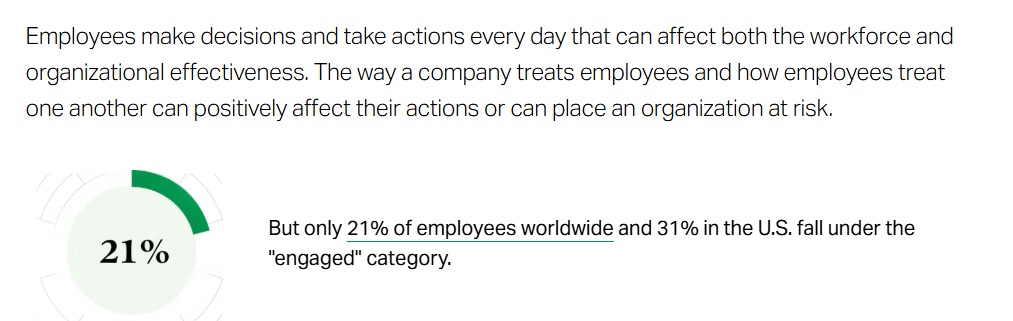
To be clear, this isn't soft "HR speak." Look at the actual data. Gallup's workplace studies highlight a massive, systemic issue: only 21% of employees worldwide (and just 31% in the U.S.) are actually engaged at work. The rest are either just going through the motions or actively pulling in the opposite direction.
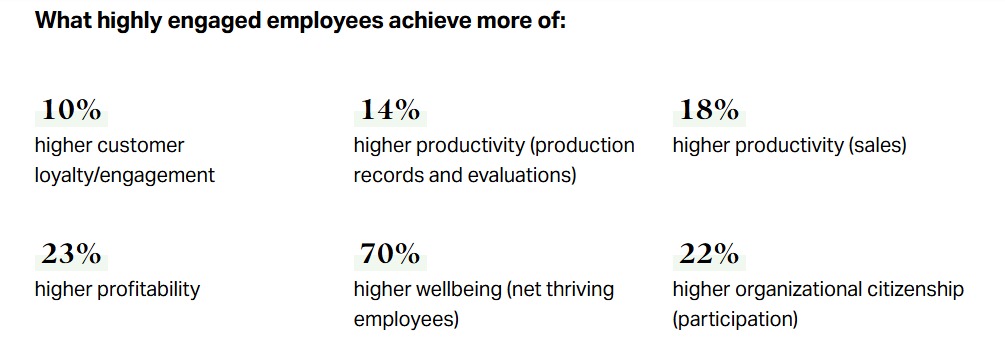
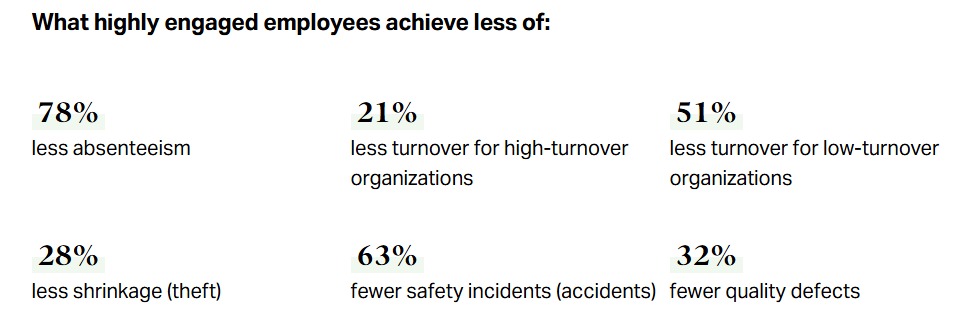
When you bridge that gap and build a culture where people actually care about their work, the transformation shows up across every single business metric.
The #1 Predictor of Team Engagement
If engagement is the ultimate business game-changer, who actually holds the lever?
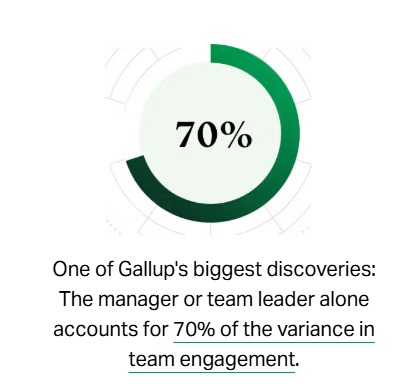
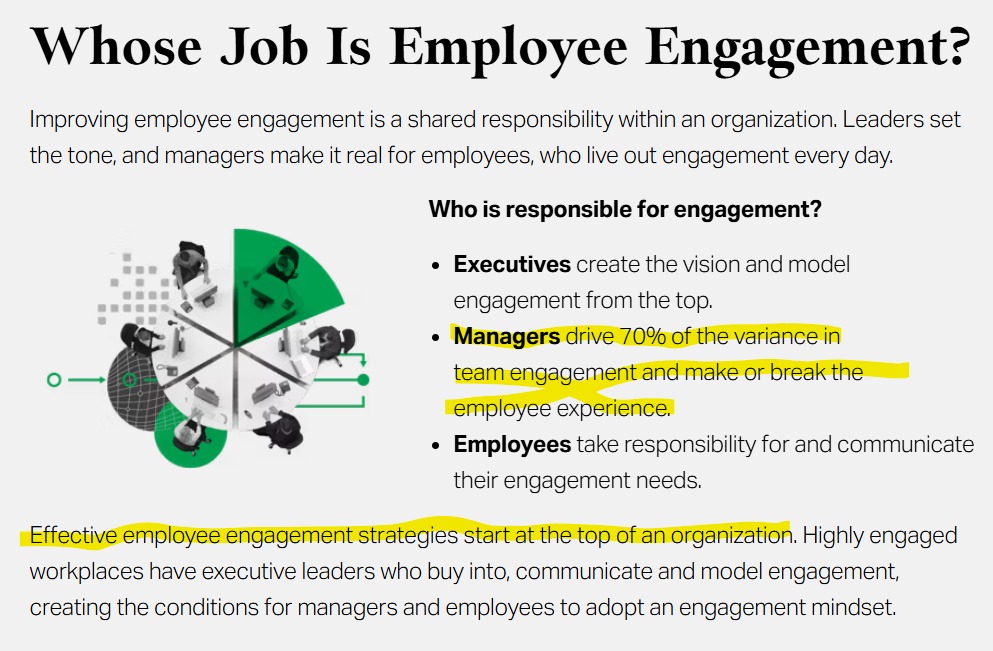
It isn't a flashy bonus structure, and it isn't office perks. One of Gallup's most profound discoveries is that the manager or team leader alone accounts for 70% of the variance in team engagement.
Let that sink in. Seventy percent.
Your managers make or break the employee experience. Executives and founders create the vision and set the cultural tone, but managers make it real on the ground every day. If your managers are acting like rigid, old-school bosses instead of strategic coaches, your talent will inevitably check out.
Shifting from the Past to the Future
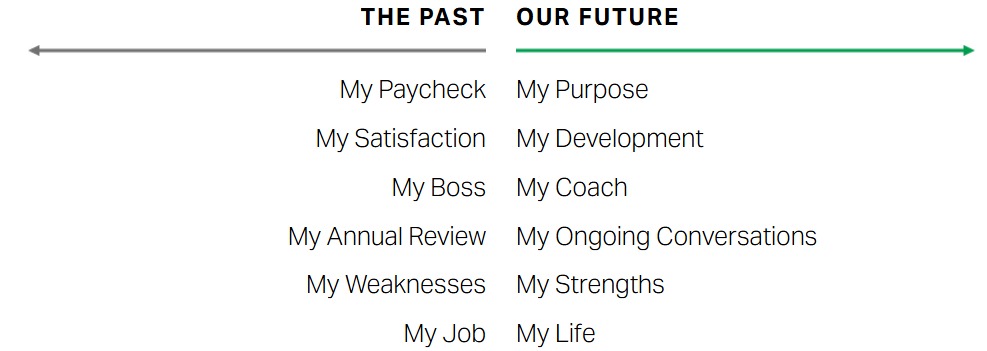
To unlock the full potential of your business—and free up your own time as a leader—the management mindset has to evolve. The old model rewarded compliance. The new model rewards growth.
Bottom Line
When leadership shifts from policing weaknesses ("babysitting") to coaching strengths, the entire business flips. You stop chasing people to do their jobs, and you start scaling your operations, freeing up your own time, and building a self-sustaining culture.
It isn't your team's job to stay motivated in a vacuum; it's your job to build the environment where motivation can actually survive.
Ready to build a high-performance team?
Want to optimize your leadership roles and finally establish a real work-life balance? Let's talk.
Get in touch with Growth Kiflayim
Shlomo Schreibman
Business Psychologist & Organizational Consultant, Growth Kiflayim